Ermi Testing in Bergen County, NJ
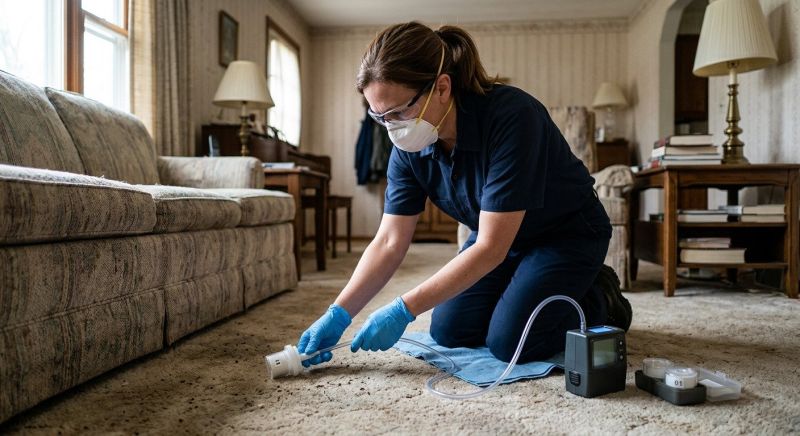
ERMI testing services provide homeowners with a detailed analysis of mold and allergen levels within indoor environments. This testing involves collecting dust samples from various areas of a property to identify the presence and concentration of mold species, including those that can be difficult to detect through visual inspection alone. Projects that commonly include ERMI testing range from post-remediation assessments and new construction inspections to ongoing indoor air quality evaluations for health concerns. Property owners often seek this service to better understand potential mold risks, especially if occupants experience allergy symptoms or respiratory issues linked to indoor air quality.
Before requesting ERMI testing, property owners typically want to understand the scope of the testing process, including what areas will be sampled and how the results can inform further actions. It’s helpful to consider recent renovations, water damage, or visible mold growth that might influence testing outcomes. Clarifying these details can assist in determining whether ERMI testing is appropriate for addressing specific concerns or verifying the effectiveness of mold remediation efforts. This service offers insights into indoor mold levels that can support informed decisions about maintaining a healthy living environment.
Many property owners in Bergen County, NJ look into ERMI Testing for repairs, replacements, upgrades, and appearance-related improvements.
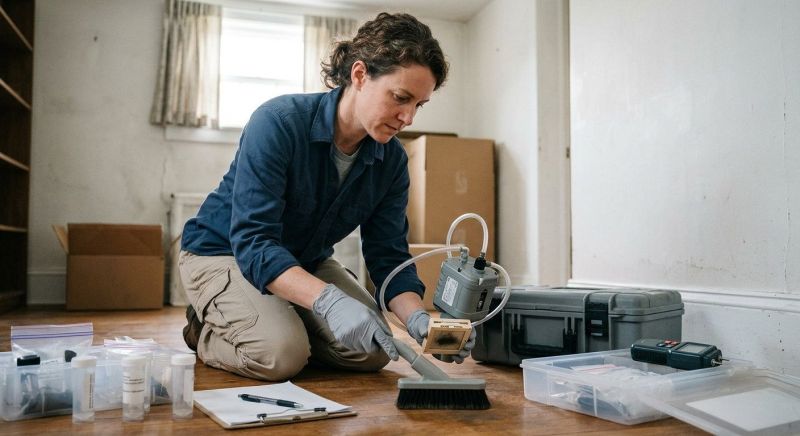
Understanding Ermi Testing
Ermi testing helps identify mold and moisture issues inside your property.
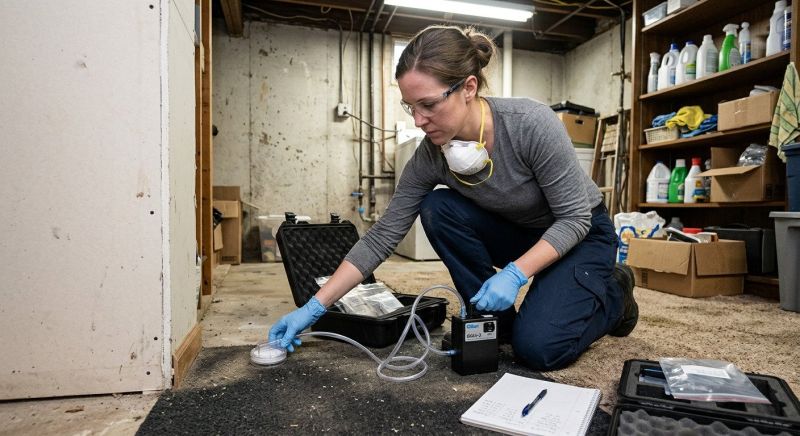
Common Applications
This service is often used for homes with water damage, allergy concerns, or unexplained odors.
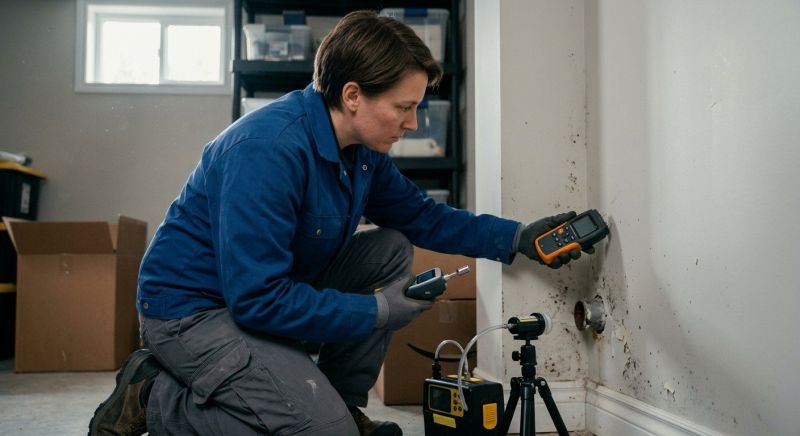
Benefits Of Ermi Analysis
Accurate testing provides insights to improve indoor air quality and maintain a healthier living environment.
Ermi Testing in Bergen County, NJ
ERMI testing services provide homeowners with a detailed analysis of mold and allergen levels within indoor environments. This testing involves collecting dust samples from various areas of a property to identify the presence and concentration of mold species, including those that can be difficult to detect through visual inspection alone. Projects that commonly include ERMI testing range from post-remediation assessments and new construction inspections to ongoing indoor air quality evaluations for health concerns. Property owners often seek this service to better understand potential mold risks, especially if occupants experience allergy symptoms or respiratory issues linked to indoor air quality.
Before requesting ERMI testing, property owners typically want to understand the scope of the testing process, including what areas will be sampled and how the results can inform further actions. It’s helpful to consider recent renovations, water damage, or visible mold growth that might influence testing outcomes. Clarifying these details can assist in determining whether ERMI testing is appropriate for addressing specific concerns or verifying the effectiveness of mold remediation efforts. This service offers insights into indoor mold levels that can support informed decisions about maintaining a healthy living environment.
Many property owners in Bergen County, NJ look into ERMI Testing for repairs, replacements, upgrades, and appearance-related improvements.
Common Ermi Testing Jobs
ERMI Testing - identifies mold species and levels in indoor environments.
Home inspections - assesses mold contamination in residential properties.
Water damage assessments - detects mold growth caused by leaks or flooding.
Indoor air quality testing - measures mold spores and other airborne contaminants.
Mold remediation planning - provides data to guide effective mold removal strategies.
Environmental assessments - evaluates mold presence in attics, basements, and HVAC systems.
Ermi Testing Questions
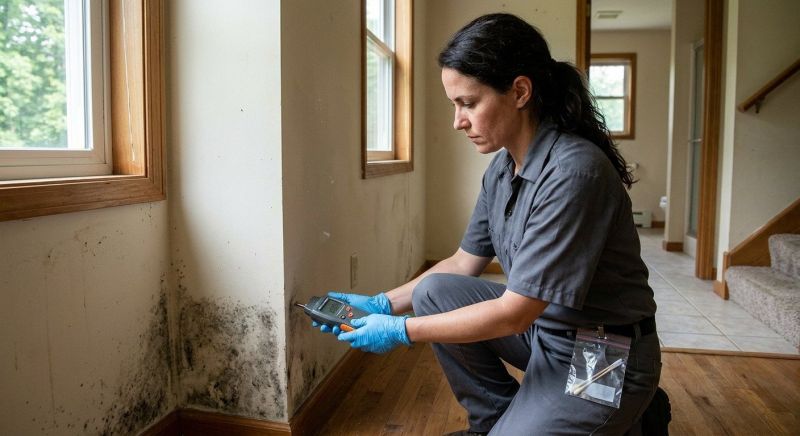
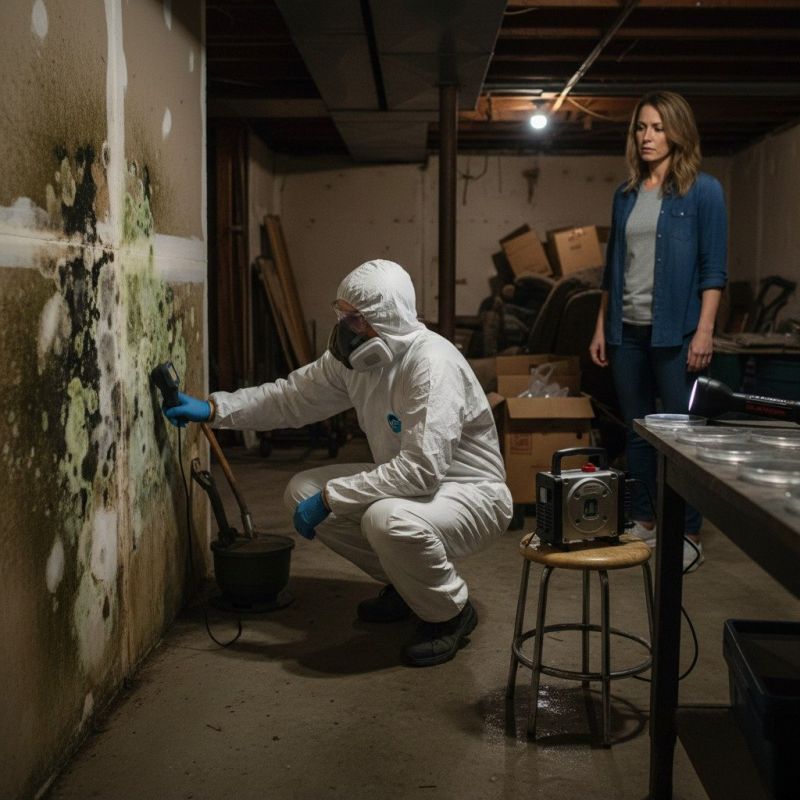
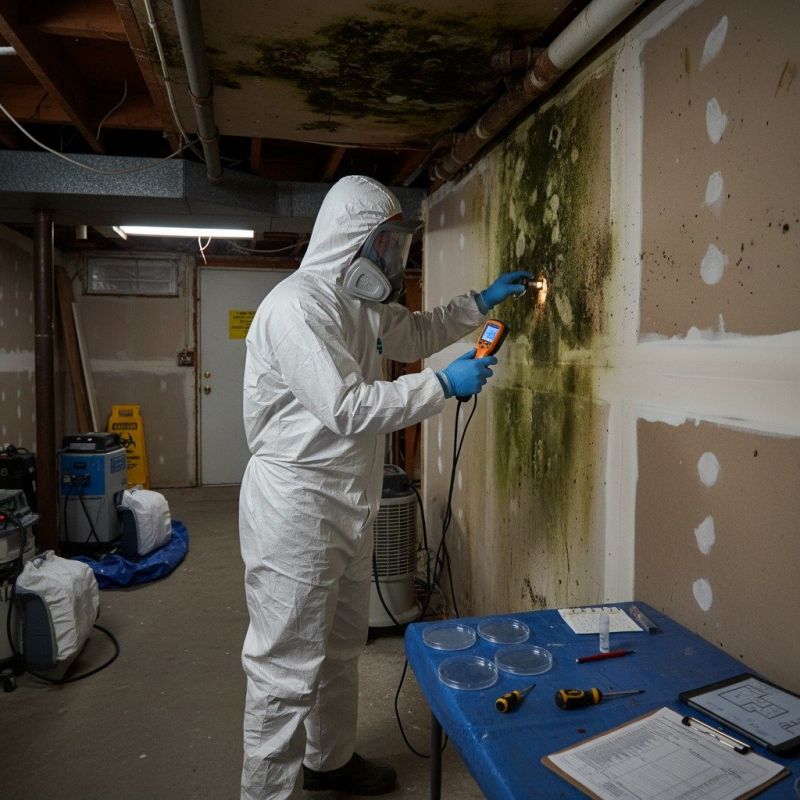
What is ERMI testing? ERMI testing is a method used to detect and measure mold levels inside a building by analyzing dust samples for mold DNA.
Why is ERMI testing important? It helps identify hidden mold problems that may affect indoor air quality and health, even when visible mold is not present.
How does ERMI testing work? A dust sample is collected from the property and sent to a lab, where it is analyzed for specific mold species to determine mold risk levels.
When should property owners consider ERMI testing? It is recommended when there are unexplained health issues, musty odors, or visible mold concerns in the property.
Request Ermi Testing in Bergen County, NJ
Use the quote form on this page to share the basics of your project and request more information for the type of work you need.